5 Signs a Tree Needs Removal
Warning signs homeowners shouldn’t ignore
Trees are one of the most valuable features on a property. They provide shade, improve curb appeal, and can even increase property value. Healthy trees can last decades and become an important part of a home's landscape.
However, when a tree becomes damaged or begins to decline, it can quickly turn into a serious safety risk. A weakened tree may drop large limbs or even fall entirely during storms or high winds. This can lead to costly property damage or dangerous situations for homeowners.
Recognizing early warning signs can help prevent these problems before they occur. Many trees show clear indicators when something is wrong. Addressing these issues early can often prevent damage and allow homeowners to make informed decisions about trimming, removal, or other tree care solutions.
Below are five common signs that a tree may need to be professionally removed.
1. Large Dead Branches
Dead branches are often the first visible sign that a tree may be struggling.
When a tree is healthy, its branches remain flexible and produce new growth. Dead limbs, however, become brittle and dry over time. These branches can break off unexpectedly, especially during storms or windy conditions.
Large dead limbs hanging over a house, driveway, or sidewalk can pose a significant hazard. Even a medium-sized branch can cause serious damage if it falls from a tall tree.
If a tree has several dead branches throughout its canopy, the problem may extend beyond the branches themselves. In many cases, this indicates that the tree is declining internally.
A professional tree service can evaluate whether trimming the dead limbs will restore the tree’s health or whether removal may be the safest long-term option.
2. Cracks in the Trunk or Major Limbs
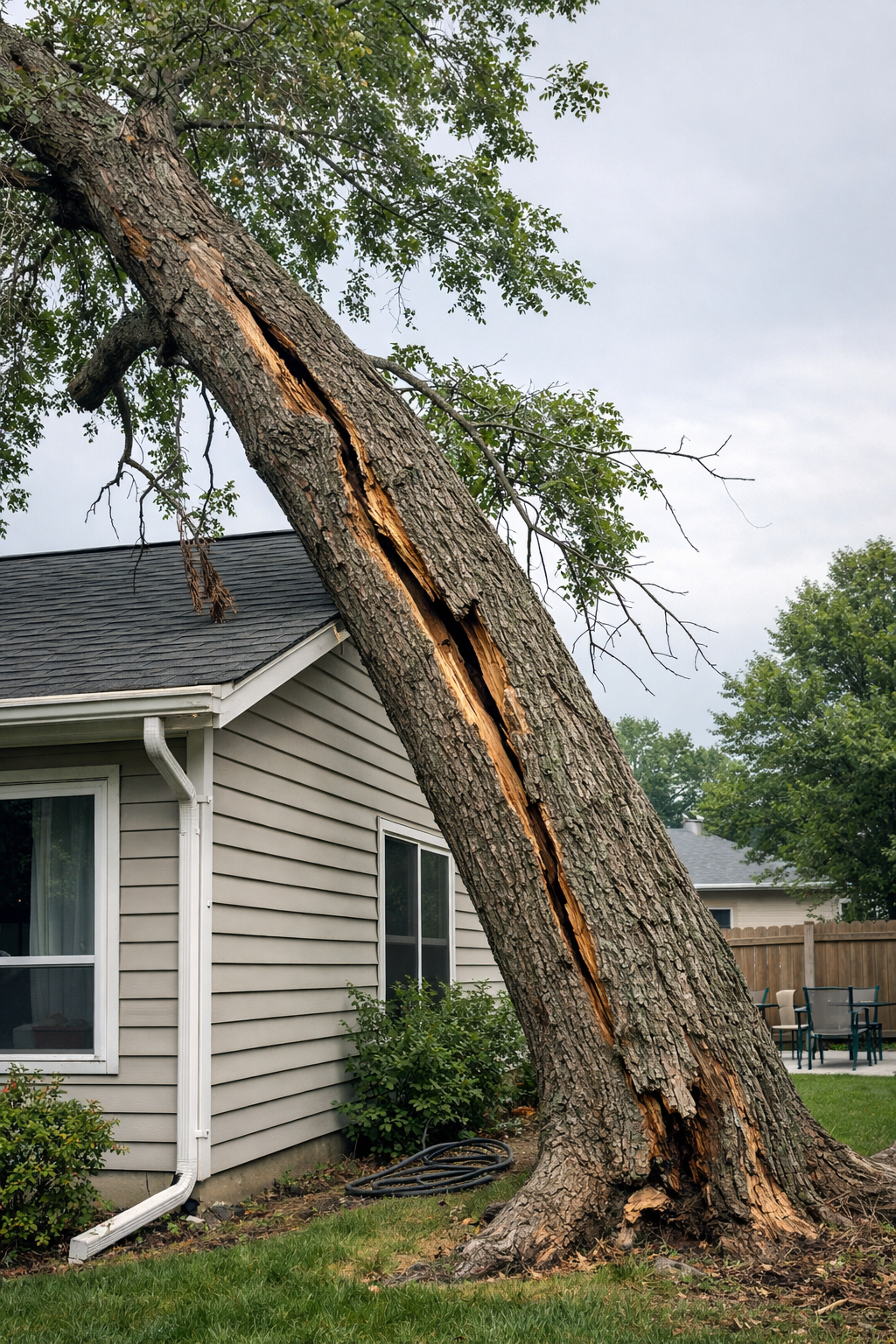
Cracks or splits in the trunk are a serious structural concern for any tree.
These cracks often develop as a result of storm damage, internal decay, or stress within the tree’s structure. Over time, they can widen and weaken the entire tree.
Trees rely on strong internal fibers to support their weight. When these fibers are compromised, the tree may become unstable and more likely to split during high winds or heavy snowfall.
In some cases, a cracked tree may appear stable for years before suddenly failing during a storm.
Because of this risk, trees with large trunk cracks should always be evaluated by a professional.
3. A Tree That Is Suddenly Leaning
Some trees naturally grow at slight angles and remain stable for decades. However, a tree that suddenly begins leaning may indicate a much more serious issue.
A sudden lean can occur when the root system becomes damaged or when the soil around the roots shifts. Heavy storms, saturated soil, and erosion can all contribute to this problem.
Homeowners may notice signs such as:
• exposed roots around the base of the tree
• raised soil on one side of the trunk
• newly tilted tree alignment
If a tree begins leaning toward a home, garage, fence, or driveway, the risk increases significantly.
These situations should be evaluated quickly to determine whether the tree can be stabilized or if removal is necessary.
4. Signs of Rot or Internal Decay
Tree decay is not always obvious from a distance. In many cases, internal rot develops slowly over time before visible symptoms appear.
Common signs of decay include:
• fungus or mushrooms growing at the base of the tree
• hollow sections in the trunk
• soft or crumbling wood
• missing bark or deep cavities
Decay weakens the internal structure of the tree and reduces its ability to support its own weight.
While some trees can survive small areas of decay, extensive rot often makes the tree unstable and unpredictable.
Professional arborists can evaluate the extent of decay and determine whether trimming or removal is the safest option.
5. Storm Damage
Storms are one of the most common causes of tree failure in Eastern Iowa.
High winds, heavy snow, and lightning can all damage trees in ways that are not immediately obvious. Even if a tree remains standing after a storm, internal cracks or weakened limbs may still pose a risk.
Homeowners should inspect trees after major storms for signs such as:
• broken or hanging limbs
• newly exposed roots
• fresh cracks in the trunk
• branches resting on nearby structures
Having storm-damaged trees inspected early can prevent larger problems later.
When Trimming May Be Enough
Not every tree that shows warning signs needs to be removed. In many cases, professional tree trimming can improve the health and safety of a tree.
Removing dead limbs and reducing excess weight can often stabilize a tree and prevent future damage.
However, when a tree becomes structurally compromised or poses a risk to nearby structures, removal is often the safest solution.
Professional Tree Services in Eastern Iowa
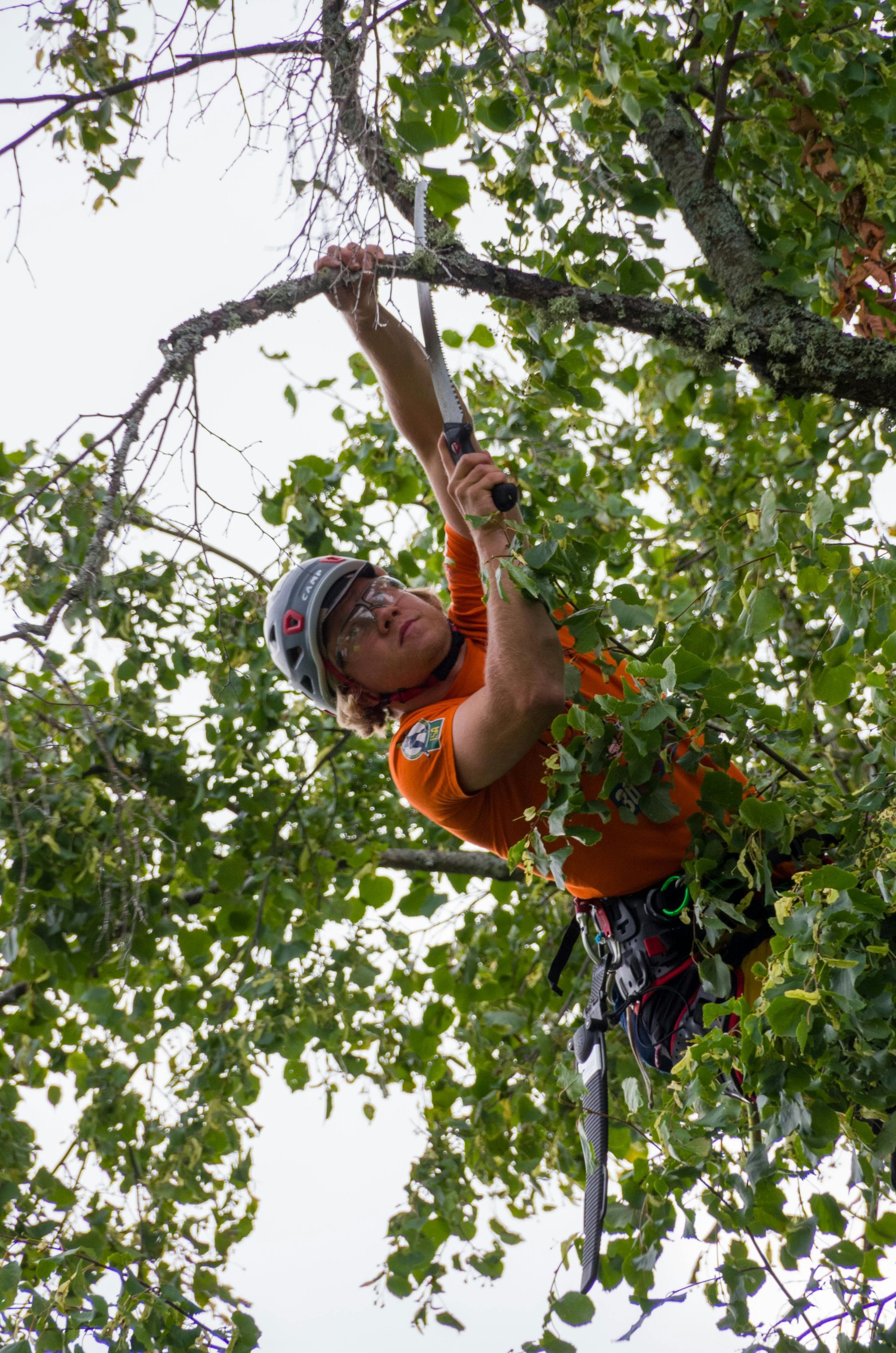
Tree work can be dangerous without proper equipment and experience. Removing large trees requires specialized tools and safety practices to prevent property damage and personal injury.
Wirtanen Tree Services provides professional tree removal, trimming, and stump grinding services for homeowners throughout the area.
Our team serves communities including:
Cedar Rapids
Marion
Hiawatha
Robins
and surrounding Eastern Iowa neighborhoods.
Whether a tree needs trimming, removal, or stump grinding, addressing the issue early can help keep your property safe and prevent costly repairs in the future.
Recent Posts